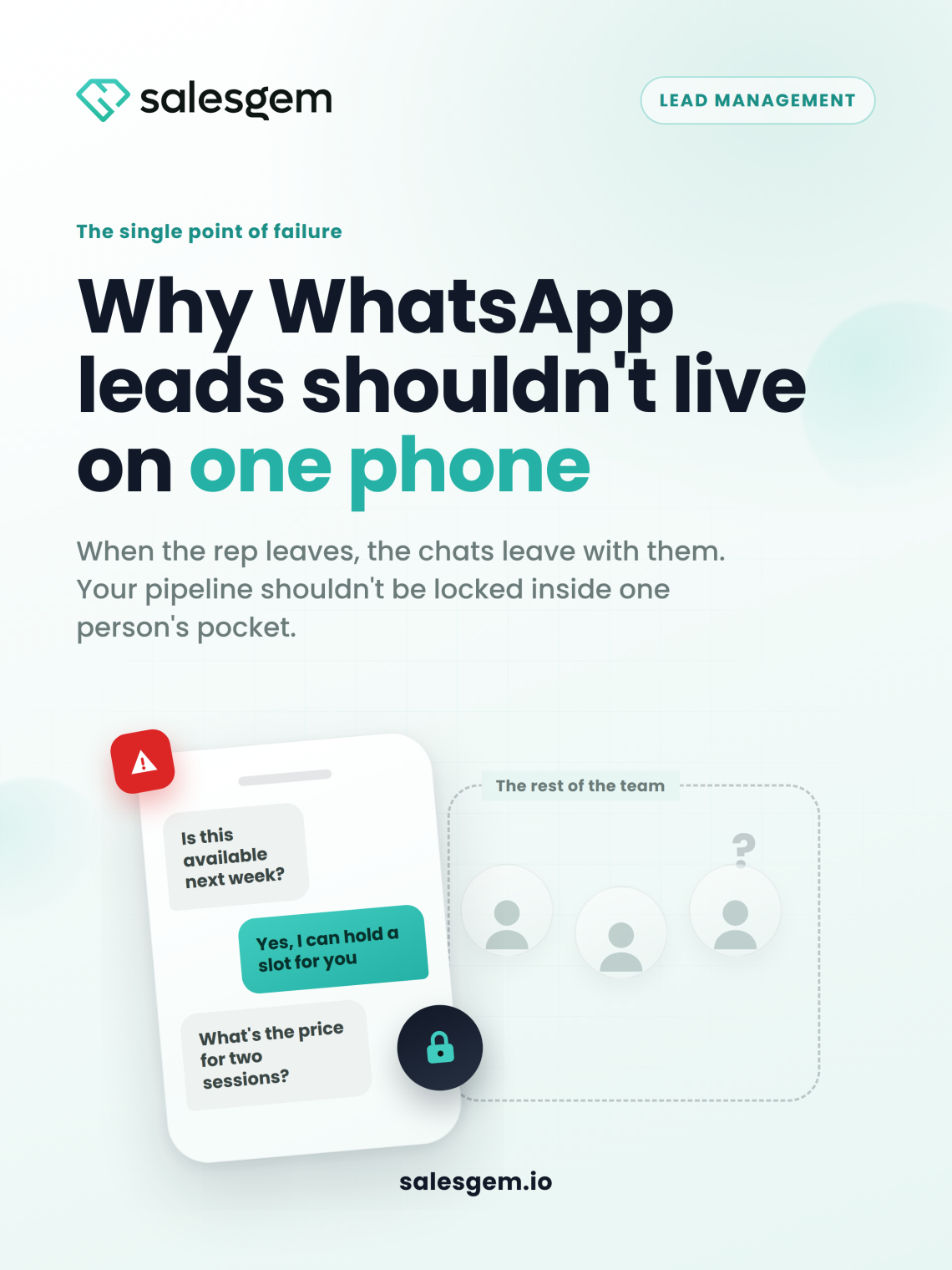
I have spent more than ten years advising sales teams across industries, from aesthetic clinics to home services. I am in constant contact with sales experts, and they keep describing the same pattern. Their entire WhatsApp lead management sits inside one rep’s personal phone. Every enquiry, every price question, every half finished conversation with a warm buyer lives inside a chat history. Nobody else can open it. It looks harmless until the day it is not.
The personal number trap most SMBs are stuck in
WhatsApp is where the leads already are. So most small and mid sized businesses simply hand a number to a rep and let the conversations happen. Nobody sets out to build a system this way. It happens gradually, one enquiry at a time, until the entire pipeline is sitting inside a single person’s chat list.
The quiet risk is that this setup looks fine every single day it works. There is no obvious failure point and no alarm that goes off. The business only discovers the gap once a rep stops answering, loses focus, or disappears entirely. By then, the conversation history and the trust the rep built with that lead have vanished too.
I have sat with founders who genuinely believed their WhatsApp lead management was under control. They saw replies going out quickly and assumed that was enough. Speed is not the same as visibility. A fast reply from a rep’s personal phone still leaves the manager blind to what the conversation actually contained.
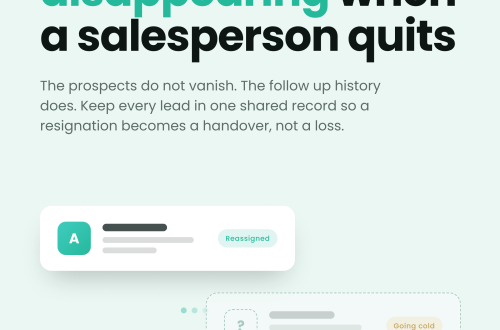
When a rep leaves, the pipeline leaves too
I learned this the hard way. One of my reps went on leave while he was holding dozens of active WhatsApp conversations. Several of those leads had already discussed pricing and were close to booking. Because those chats lived only on his phone, nobody else on the team knew exactly where each conversation stood.
I had to call leads back and ask questions they had already answered days earlier. A few found it frustrating. A couple stopped responding altogether. I had no reliable way to tell which remaining leads needed immediate attention and which had already gone cold. The problem was not the leads themselves. It was that the pipeline had no shared record anyone else could pick up.
That gap is what pushed me to rebuild how WhatsApp lead management worked on my team. I assigned every lead to a rep. The conversation history, source, stage, notes, and next follow up stayed visible to the whole group. When someone was out, another rep could step in without starting from zero. The phone stayed the place where reps actually talked to leads. A shared record became the place where the business kept track of what was happening.
Duplicate outreach and a manager working blind
The second problem showed up once volume increased. Reps were each running several conversations from their own phones, with no shared view of who had already contacted whom. One lead asking about a consultation heard from two different reps within the same day. Neither rep knew the other was already talking to them.
From where I sat as manager, I could not see when that lead first came in or how quickly a rep contacted them. I also could not see what the rep had already discussed or why the conversation eventually stalled. When we lost a deal, I could only ask the rep what happened and take their word for it. There was no timestamped trail to separate a genuinely cold lead from one that never got a proper follow up.
Fixing it meant giving every lead a shared record. That record carried automatic assignment, full conversation history, timestamps, stages, and reminders for the next action. Reps kept using WhatsApp for the actual conversation. Ownership and follow up no longer depended on memory or a personal chat list. That gave me real visibility as a manager, and it stopped both the duplicate outreach and the quietly forgotten leads.
Every industry feels this differently
The shape of WhatsApp lead management changes depending on who you are selling to. Aesthetic clinics live and die by response speed. A lead messaging about a treatment is usually messaging two or three other clinics at the same time. If a coordinator does not respond within that early window, the enquiry books elsewhere. A manager working from a single phone has no way to know it even happened.
Education and coaching businesses see a slower version of the same issue. Those enquiries often need several days of back and forth before someone commits. If the person handling the chat changes partway through, the lead can sense that something has shifted. The trust built earlier is hard to recover.
Home services and solar installers deal with high enquiry volume from ads. A personal phone fills up fast, with no way to flag which enquiry is genuinely urgent. Across every one of these industries, the pattern stays the same. A shared record sitting underneath the channel actually determines whether a rep follows a lead through or forgets it.
What I would tell any sales manager today
If you manage a team that sells over WhatsApp, assume this right now. Your pipeline is only as safe as your least reliable rep’s phone. Every story above started with a business owner who trusted the system simply because nothing had gone wrong yet.
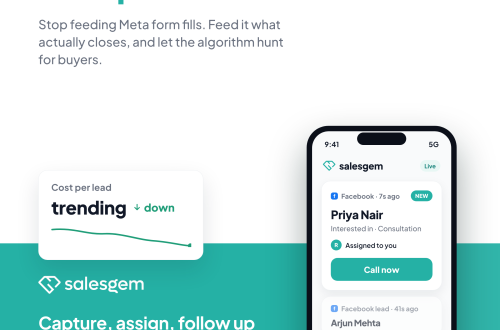
The fix stays simple. Keep WhatsApp as the conversation channel your leads already prefer. Put a shared record underneath it, one that shows assignment, history, stage, and the next action for every single lead. That record should stay visible to the whole team rather than locked inside one person’s pocket. That is the exact gap a tool like Salesgem closes. It helps small sales teams working across Meta and WhatsApp enquiries stay organised.
I did not learn this from a training manual. Losing leads I should never have lost taught me first. Watching managers blame good reps for a system nobody had built to support them taught me the rest.
Frequently asked questions
When lead conversations live on a single device, the business loses access to pricing discussions and stage information the moment that person is unavailable. Follow up history disappears too. A shared record protects the pipeline regardless of who picks up the next message.
Without a shared CRM, active conversations, pricing already discussed, and next steps typically leave with the rep. Whoever takes over has to guess, which often means contacting leads again and asking questions the lead already answered.
How can a small business manage growing WhatsApp lead management without losing visibility?
The most reliable approach keeps WhatsApp as the messaging channel while assigning every lead to a shared record. That record tracks source, stage, conversation history, and the next action, so any manager or teammate can see exactly where a lead stands.