Most clinic leads do not go cold because someone changed their mind. They go cold because nobody called while the prospect still remembered why they tapped the ad in the first place. I learned this the expensive way, running an aesthetic clinic that spent a steady amount every month on Facebook ads while our booked consultations never matched the number of inquiries we were paying for.
It took me longer than I would like to admit to work out that the problem was not our ads. It was everything that happened, or did not happen, in the hour after someone filled out the form.
The gap between lead volume and consultations booked
For a while, our numbers on paper looked good. We were getting dozens of inquiries a week through our Facebook and Instagram campaigns, more than enough, in theory, to keep an appointment book full.
But the consultation numbers were not moving the way the lead numbers were. I kept assuming the issue was lead quality. I checked our targeting, tightened the creative, tested different offers. None of it closed the gap.
Eventually I stopped looking at the ads and started looking at what happened after someone submitted the form. That is where I found the actual problem. Most leads were not reaching a real person right away. They were sitting inside Meta’s dashboard, waiting for someone on our team to log in, check for new submissions, and export them by hand. By the time our front desk actually called, thirty to sixty minutes had usually passed, sometimes longer if it landed during a busy walk in stretch.
What surprised me was not the delay itself. It was what prospects told us once we finally reached them. More than a few said some version of the same thing: they had already booked somewhere else.
The five minute window is not about pressure
I want to be clear about what this window actually means, because people often get this wrong. Responding fast is not about pushing someone into a decision before they can think it through. A consultation is still a considered choice, and rushing a person rarely produces a good patient relationship.
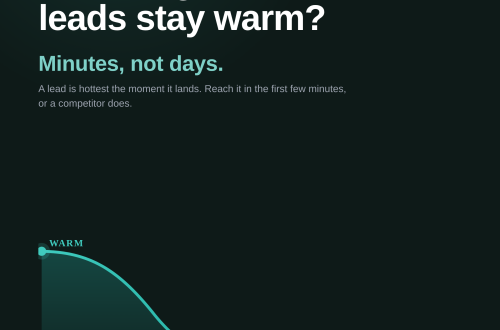
What the five minute window is really about is reaching someone while the reason they reached out is still front of mind. Someone who fills out a form after seeing a before and after photo, or after noticing a price they had been curious about, is acting on a spark, not a fully formed decision. That spark fades quickly once they close the app and go back to whatever they were doing.
Call while it is still there, and you are continuing a conversation the prospect already started in their own head. Call an hour later, and you are starting from zero, often competing with a clinic that already called them once.
What changed once I stopped treating leads like a queue
Once I understood where the leads were actually stalling, I changed how we handled them. A new submission now triggers an immediate notification and goes straight to a specific person the moment it arrives. Nobody on my team has to log into Meta, export anything, or work out who should call.
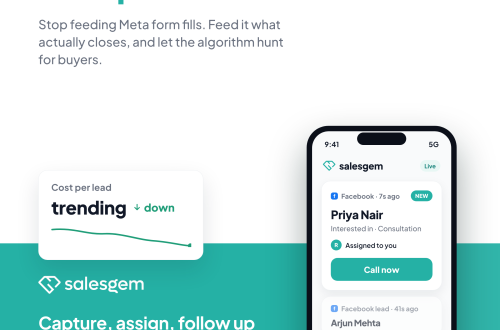
The lead lands on a phone with the ad and form details already attached, so someone can call within minutes while the reason for reaching out is still fresh.
That single change did more for our consultation numbers than any adjustment we made to the ads themselves. It also changed how I think about lead quality. A lead that looks cold after sitting untouched for an hour is not necessarily a bad lead. It may just be a lead we answered too late to matter.
Comparison shopping, and why the first call usually wins
The second thing I learned came from watching our booking patterns more closely. We were running ads for a popular procedure, and I noticed something odd in the lead list. The same names and numbers were showing up more than once, sometimes within the same day.
My first instinct was that these were duplicates or low quality submissions worth filtering out. Then our team started calling these leads within minutes of submission, and a different picture emerged. Many of these prospects were not filling out our form by accident. They were comparing several clinics at the same time, submitting whichever ads caught their attention and simply booking with whoever called first.
Nobody was sitting around waiting for one clinic to get back to them. Each prospect was running their own informal race, whether they thought of it that way or not.
That reframed how I looked at every Facebook lead after that. I stopped treating a new inquiry like something sitting patiently in a queue, waiting its turn. The goal became reaching the person immediately, with the ad and form context already on hand, so the first call could reference what they had actually seen.
The first minute of that call was never a long pitch. It was simply about reaching them before someone else did, while they still remembered why they had tapped the ad.
What I have seen outside of clinics too
Clinics are where I saw this pattern most clearly, but it is not unique to healthcare. Clients I have worked with in solar installation see something similar tied to a different trigger. A homeowner gets a jarring utility bill, gets curious, and fills out a few quote requests in the same afternoon. Whoever calls back before that frustration fades usually gets the appointment.
Home services businesses deal with an even more literal version of it. Someone whose air conditioning just failed is often calling three companies within the hour, and the job typically goes to whoever answers, not necessarily whoever would have done the best work.
The common thread across every industry I have worked in is this. The lead is rarely deciding whether they want what you offer. By the time they filled out the form, they already wanted it. What they are actually deciding, often without realizing it, is who gets to be the one who follows up first.
Turning this into a decision about your CRM, not just your ad spend
For a long time, I treated this as a staffing problem. Hire more front desk staff, train them to check the dashboard more often, build a habit around it. That helps at the margins, but it does not fix the underlying issue, which is that the lead has to travel from an ad platform into a person’s hands before anyone can act on it. Every extra step in that path, checking a dashboard, exporting a file, working out who is free, adds delay. Delay is the thing actually costing you the consultation.
That is why I now think about lead response speed as a system question rather than a willpower question. Salesgem addresses exactly this gap. It captures Facebook and Instagram leads as they come in, assigns them to a specific person automatically, and puts the lead in front of that person on their phone with the ad context attached, instead of leaving it sitting in a dashboard for someone to remember to check.
It will not fix a genuinely bad lead. What it fixes is the version of the problem I had for years: losing good leads to nothing more than a slow handoff. If that gap sounds familiar, it is worth checking how a lead follow up system built for small clinics would hold up against your own leads. You can sign up and test it against your own numbers, no credit card needed, with a fourteen day trial and free support if you need help moving your data over.
The one thing I would tell any clinic owner today
If I could give one piece of advice to a clinic owner looking at their own numbers today, it would be this. Stop asking whether your ads are working before you have actually measured how fast someone reaches out after a lead comes in.
Pull up your last twenty inquiries and time how long it took for a real person to make contact. If most of them took longer than a few minutes, you already know where your consultations are going. They are not disappearing. Whichever clinic calls first is booking them instead.
Common questions
Clinic leads go cold quickly because a passing spark of interest usually triggers the inquiry, rather than a fully formed decision. Once a prospect closes the app or gets distracted, that spark fades, and by the time a slow follow up reaches them, another clinic has often already called and booked the consultation.
How long does it actually take for a sales lead to cool off?
Most clinics start losing ground within the first thirty to sixty minutes after a lead comes in. The exact window varies by industry, but the pattern holds across categories: the longer a real person takes to respond, the more likely the prospect has already spoken with someone else.
Prospects compare multiple clinics because a single Facebook or Instagram session often surfaces several similar ads at once. Rather than waiting for one clinic to respond, many people submit inquiries to two or three clinics in parallel and book with whoever calls back first.
The fastest response comes from removing manual steps between the ad platform and the person who should call. That usually means an automatic notification and assignment as soon as a lead comes in, rather than relying on someone to check a dashboard and export leads by hand.
In practice, yes. Faster response does not change whether someone is interested, but it does change who gets credit for that interest. Reaching a prospect while their reason for inquiring is still fresh consistently converts better than reaching them after the moment has passed.