The best WhatsApp CRM for sales teams in 2026 connects through the official WhatsApp Business API. It lets several reps work from one number and keeps every chat on the lead record. It should also send approved templates and show you what Meta charges per message. I’ve spent more than ten years fixing sales processes for clinics, coaching institutes, solar installers, and car dealers. That checklist comes from watching leads leak.
Most of my clients already run Facebook or Instagram lead ads. Getting enquiries is rarely the hard part. The trouble starts after the form arrives. A CRM with WhatsApp integration only earns its price if it closes that gap. Two teams taught me what to look for.
The team where every lead had two owners, or none
On one project, I was running the sales team myself. Facebook leads were coming in every day. But they were scattered across the Meta dashboard, WhatsApp chats, spreadsheets, and whatever notes the reps remembered to make.
Ownership was a guess. If two reps thought the same enquiry belonged to them, they both called. If nobody was sure who owned it, nobody called.
Follow-up was the bigger problem. A rep would speak to someone on Monday and hear “let me think about it.” They genuinely meant to call again on Wednesday. Then Wednesday became Thursday, and the lead went cold. So the team blamed lead quality.
What changed things was building the process around the lead. Each new enquiry went to a rep automatically, and that rep got a notification. The WhatsApp conversation stayed attached to the same lead record. So any rep could see the original enquiry, earlier messages, notes, and follow-up tasks without asking a colleague what had happened.
I also stopped asking for screenshots every evening. The CRM showed which leads had been contacted and which were still waiting. It also showed where deals were getting stuck.
The biggest difference wasn’t that my team suddenly became better salespeople. They simply stopped losing leads because of gaps between people, apps, and memory.
That changed my job too. I spent less time chasing reps for updates. Instead, I watched the numbers that mattered: response time, follow-up activity, conversion, and which sources produced revenue.
“Facebook leads are junk,” and what was really going on
There was a period when my team kept saying the same thing: “Facebook leads are junk.”
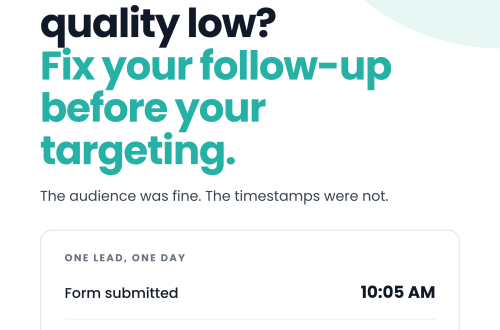
I wasn’t convinced. We were getting plenty of enquiries. Yet by the time a rep called, many people didn’t answer. Some had already spoken to another company. Others didn’t even remember filling out the form.
So I looked at what happened between the form submission and the first real conversation. That was the uncomfortable part.
The lead could sit in a dashboard until someone noticed it. Then someone had to assign it. Meanwhile, the rep might be busy with another customer. By the time the call happened, the person had moved on.
We changed the workflow. The lead now appeared immediately and went to a specific rep, who got a notification. Reps could open the conversation on WhatsApp and refer to what the person had asked in the form. The chat, notes, reminders, and deal stage all stayed together.
That fixed a cost I hadn’t noticed. Follow-up depended on memory. When a rep has 30 or 40 active conversations, they forget who was waiting for a quote or who planned to decide on Friday. Once those follow-ups became tasks on the lead, the team’s behaviour changed.
I heard “these leads are poor quality” far less often. Some were poor quality, of course. But now we could separate bad leads from badly handled leads.
The lesson stayed with me. Before you change the ad campaign, prove your sales team gave the lead a fair chance. I go deeper into that audit in why your Facebook leads are bad.
What the best WhatsApp CRM for sales teams needs in 2026
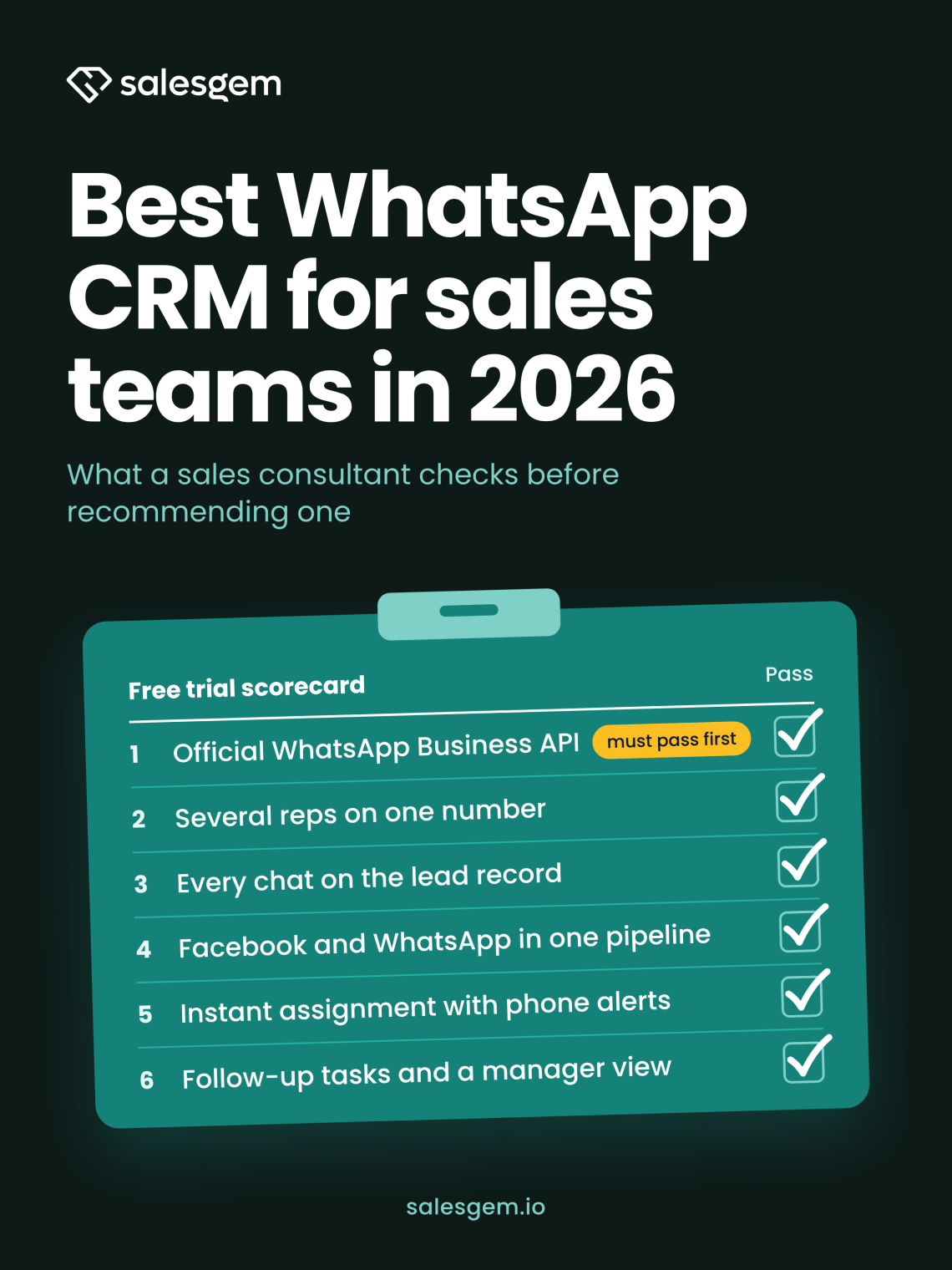
Those two teams gave me my checklist. When I judge the best WhatsApp CRM for sales teams, I look at six things. The first one is a filter, so if a tool fails it, I stop there.
1. It connects through the official WhatsApp Business API
This is table stakes. Some cheap tools automate the regular WhatsApp app through browser extensions or unofficial connections. WhatsApp’s help centre sets out its rules on automated and bulk messaging, and WhatsApp can ban a number that breaks them.
For a sales team, a banned number hurts more than a slow tool. Your reps lose the channel for every open conversation at once, including the deals they were about to close.
So ask every vendor one direct question: do you connect through Meta’s official WhatsApp Business API? If the answer is vague, move on. However cheap it is, a tool without official API support can’t be the best WhatsApp CRM for sales teams.
2. Several reps can work from one WhatsApp number
The WhatsApp Business app works well for an owner replying from their own phone. Once three or four reps share it, nobody knows who replied last. Soon two people answer the same customer while another lead waits.
With the official API, a CRM can put one business number in front of the whole team. Each chat goes to one rep. When that rep is on leave, a colleague can pick up the thread with the full history.
Your customers keep one number to message. Your reps keep their personal WhatsApp personal. I’ve seen what happens when a rep’s phone becomes the only record, and I wrote about it in why your sales rep’s phone shouldn’t be your CRM.
3. Every chat lands on the lead record
This is the feature I’d pay for first. When a lead comes in from a Facebook form or a WhatsApp message, the conversation should attach to that lead automatically. The rep opens one screen and sees the original enquiry, every message, the notes, and the next task.
Without that link, you get the mess from my first story. The chat lives in WhatsApp while the lead and its notes sit in a spreadsheet. A manager can’t coach what they can’t see.
Test this during any free trial. Send a WhatsApp message to the business number from your own phone. Then check whether a lead appears on its own, assigned to a rep, with your message on it.
4. Template messages for leads who go quiet
WhatsApp gives a business a 24-hour window after the customer’s last message. Inside that window, your rep can reply freely. After it closes, the only way to restart the chat is an approved template message.
This matters more in sales than in support, because buyers rarely decide within a day. A patient may think about a hair transplant for weeks. A parent compares several coaching institutes before paying fees. So your CRM should let reps send an approved template from inside the lead record, without waiting on marketing.
Keep those templates short and personal. A message like “Hi Priya, you asked about Saturday consultations. Does this weekend still work?” gets replies. A generic promotion gets muted. Meta also limits how many marketing templates a person receives, so every send should count.
5. Clear Meta fees, including the October 2026 change
This is where buyers get surprised. Since July 1, 2025, Meta has charged per message on the WhatsApp Business Platform. The rate depends on the message category and the country code of the person receiving it. So the same follow-up can cost a different amount for a lead in India than for a lead in the UAE.
The rules also move. Meta has announced pricing updates for service and utility messages from October 1, 2026. That includes replies sent inside the 24-hour window, which many teams have treated as free. A rep who types “ok” and “one sec” as separate messages may start costing you money.
There’s one exception worth knowing if you run lead ads. When someone messages you from a Click-to-WhatsApp ad or a Facebook Page button on their phone, and you reply within 24 hours, Meta opens a free 72-hour window.
So put two questions to every vendor. Do you pass Meta’s fees through at cost, or add a markup? And will you show us, in writing, what our messages cost each month? If a vendor can’t answer both, it can’t be the best WhatsApp CRM for sales teams on your budget.
6. Automatic assignment and follow-up you can see
Both stories had the same fix underneath. Leads reached a rep without anyone deciding, and follow-ups turned into tasks on the lead.
When you test a tool, create a fake lead and watch what happens. It should reach a rep automatically and trigger a notification on their phone. The rep should be able to set a follow-up task from the mobile app, because nobody opens a laptop during a site visit.
Then open the reports as the manager. You should see response time and follow-up activity for each rep, plus conversion by lead source. If you still need screenshots at the end of the day, keep looking.
What the best WhatsApp CRM for sales teams looks like by industry
The checklist stays the same across industries. What changes is where the leak shows up first.
In aesthetic and hair transplant clinics, the first WhatsApp message is almost always about price. A rep can’t quote properly before a consultation, so the reply has to move the patient toward booking one. Patients also send photos and medical details, which should sit on the lead record in your clinic’s CRM, away from personal phones. For Indian clinics, the DPDP Rules give businesses until May 13, 2027 to meet their consent and security obligations.
In coaching and education, enquiries spike when a new batch opens. Parents and students often message from different numbers about the same admission. With one shared number, a counsellor can see when a colleague is already talking to that family.
In solar, reps collect electricity bills and roof photos over WhatsApp. Those files need to reach the site survey team along with the lead. If they stay in one rep’s chat, the customer gets asked twice and starts to doubt you.
At car dealerships, buyers often message several showrooms at once. The rep who replies first with availability and a test drive slot usually gets the visit. Automatic assignment also ends the argument between floor staff and online reps about who owns the lead.
When a lead-focused WhatsApp CRM isn’t the right fit
A lead-focused WhatsApp CRM suits teams that sell one conversation at a time. I tell clients plainly when that isn’t them.
If your main use is sending broadcasts to large customer lists, a dedicated broadcast tool will serve you better. The same goes for teams that want chatbot flows answering customers with no rep involved. Stores that sell straight from a WhatsApp catalogue also need something built for commerce.
The best WhatsApp CRM for sales teams at one business can be the wrong tool at another. So match the tool to how your team actually makes money.
My advice before you choose the best WhatsApp CRM for sales teams
After ten years of these projects, my advice is short.
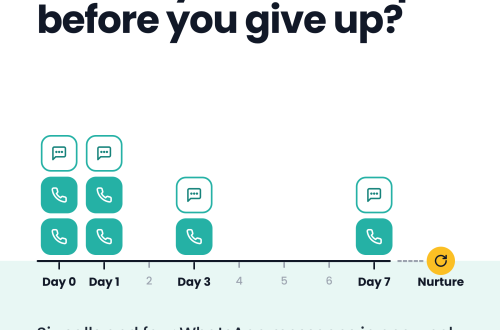
Audit your process before you buy anything. Pull your last 50 leads. Note when each one arrived and when a rep first replied. If the gaps are large, fix the process first, because a new tool on top of a broken process only hides the problem.
Run the free trial with your own leads. Message the business number from your phone and fill in your own lead form. Then check who gets notified.
Get the Meta fees in writing. After October 1, 2026, any vendor should be able to explain what your team’s messages will cost.
Send your results back to Meta. Once the CRM marks which leads became customers, the Conversions API can pass that back, so your ads learn who actually buys.
And before you blame a campaign, prove your team gave every lead a fair chance. Even the best WhatsApp CRM for sales teams can’t close a lead that nobody followed up.
Salesgem puts this workflow in one place for small sales teams. Facebook and Instagram lead ads and WhatsApp chats land in one pipeline. Salesgem assigns each lead automatically, and reps reply from one shared WhatsApp number through the official API. Follow-up tasks stay with the lead. If you want to test it with your own leads, Sign Up and compare it with how your team works today.
No credit card needed · 14-day free trial · Free support and migration
FAQs about the best WhatsApp CRM for sales teams
The best WhatsApp CRM for sales teams connects through the official WhatsApp Business API and lets several reps share one number. It should attach every chat to a lead record and explain Meta’s message fees clearly. Reps should also be able to send approved templates. Automatic assignment and follow-up tasks matter just as much, because many lost leads slip away during follow-up.
Yes, sales teams can share one WhatsApp number in a CRM when it connects through the official WhatsApp Business API. Each chat goes to one rep, and a colleague can take over with the full history. The WhatsApp Business app suits an owner replying from their own phone, but it gets hard to manage once several reps reply from it.
No, the WhatsApp Business API is not free for sales teams, though some messages cost nothing. Meta charges per message, based on the message category and the recipient’s country. Any template sent outside the 24-hour window carries a charge. Pricing for service and utility messages also changes from October 1, 2026, so ask your vendor for a clear fee breakdown.
When the 24-hour WhatsApp window closes, a business can only message that customer with an approved template. The window opens again each time the customer sends a message. For sales teams, this means a lead who goes quiet needs a template follow-up. So your CRM should let reps send one straight from the lead record.
Unofficial WhatsApp CRM tools are not safe for sales teams, because they put your business number at risk. Tools that automate the regular WhatsApp app outside Meta’s official API can break WhatsApp’s rules, and WhatsApp can ban numbers that do. Losing the number cuts off every open conversation at once. Choose a CRM that connects through the official WhatsApp Business API instead.