Small businesses waste a large share of their ad spend after the click, not before it. The budget buys the lead. Then the lead sits unassigned, gets called hours late, and goes to whoever picked up the phone first. I have watched this happen inside real sales teams for years, and the leak is almost always in the same four spots: slow response, no clear owner, no second attempt, and no tracking. Most of it is fixable once you learn to follow up on your small business leads fast enough.
That 40% is my own estimate, not a published statistic. It is the rough share of paid lead budget I have seen drain away after the click across the client funnels I have audited. Your number might be 25%. It might be more than half. The point stands either way: the wasted ad spend you blame on bad leads was usually spent on good leads that nobody worked.
Let me walk you through two teams I managed. The pattern is easier to see in a story than in a checklist.
The report looked healthy. The sales did not.
Years ago I ran sales for a small business that spent heavily on Facebook lead ads. Every morning the marketing report looked strong. Leads were coming in daily. The trouble was that the sales numbers never moved with them.
The gap became obvious the moment I followed a single lead after the click. The leads were sitting inside Meta Lead Center. Someone had to export them, share the file, and then decide who would call. Nobody owned that step. I still remember asking, “Did anyone call this lead?” and hearing, “I thought Priya was handling it.”
By the time a rep finally dialed, some of those people had already spoken to a competitor. Others had simply moved on. We had paid for the click and the inquiry. The expensive part, turning that inquiry into a live conversation, was quietly breaking.
That was when it landed for me. The ad spend was not only wasted on weak leads. A large share of the wasted ad spend was happening after the click, inside our own process.
The four places wasted ad spend leaks after the click
Once you know where to look, the same four leaks show up in almost every small team.
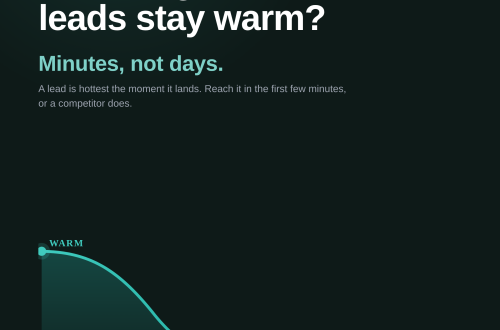
Slow response. This is the biggest one, and the research is blunt about it. In a 2011 Harvard Business Review audit of 2,241 US companies, the average first response to a web lead was 42 hours, and 23% of companies never responded at all. The same authors found that firms which reached a lead within an hour were close to seven times more likely to qualify it than those who waited just one hour longer. Paid leads do not sit around for 42 hours. They call the next business on their list.
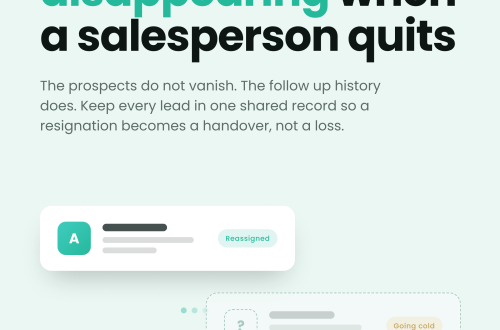
No clear owner. A lead that belongs to everyone belongs to no one. When leads land in a shared inbox or an exported file, every rep assumes another rep has it. That is the “I thought Priya was handling it” problem, and it drops good leads on the floor while the report still counts them as delivered.
No second attempt. Most reps try once, fail to reach the person, and move on. One missed call is not a dead lead. It is a lead you paid for and then abandoned after a single ring. The businesses that win the paid-lead game are usually the ones that simply call back a second and third time.
No tracking. If you cannot see how fast each rep responded, or what happened after the first call, you cannot fix any of the above. You also cannot tell Meta which leads actually converted, so it keeps optimizing toward the same weak profile. The waste then compounds on your next campaign instead of ending with this one.
When “Facebook sends bad leads” is the wrong diagnosis
The second team I managed had a different shape of the same problem. Leads came in through Facebook, Instagram, and WhatsApp. Reps handled each channel from a different app. There was no reliable way to see which lead needed attention first.
So a person who had asked for pricing sat in the same undifferentiated list as someone who had only submitted a form. Reps worked the list top to bottom instead of by intent or urgency. The hot lead and the cold one got identical treatment, which usually meant the hot one cooled off while waiting its turn.
I also could not see how quickly each rep responded, or what happened after the first call. When we reviewed campaign performance, the easy conclusion was “Facebook is sending poor quality leads.”
Then I looked closer. Many of those “poor” leads had never received a timely follow up. The ad had done its job. It generated the inquiry. We were losing the next part of the funnel, the part that turns a paid click into a real sale.
The same leak, across different industries
I have since seen this in most B2C industries that buy Meta leads. The window just gets shorter or longer depending on the buyer.
Aesthetic and dental clinics feel it hardest. A patient asking about a treatment is usually messaging two or three clinics in the same hour. A slow reply does not lose the lead, it loses the booking.
Coaching and training institutes deal in volume. Each lead looks cheap, so nobody guards the follow up. Across hundreds of “book a free session” forms, the first coach to actually call earns the mindshare before the comparison even starts.
Solar installers run a real race. The same homeowner fills three companies’ forms in one sitting. When contact is slow, that homeowner books a site visit with whoever called first, and the pipeline stage is gone before your rep even dials.
Auto dealerships and real estate agents see the same multi-quote behavior: high lead volume, low individual follow-through, and a buyer who decides fast. In every one of these, the campaign is doing its job. The minutes after the click are where the money leaks.
What I tell every small business owner now
After enough of these audits, my advice on cutting wasted ad spend has narrowed to four moves. None of them are glamorous. All of them plug the leak.
Set a response-time rule for paid leads and hold the team to it. Call within minutes, not hours. The HBR numbers make the case for you.
Assign every lead to one named person the moment it arrives. No shared inbox, no export queue, no “someone will grab it.” One lead, one owner.
Require a second and third attempt before any lead is marked dead. Write it into the process, not into good intentions.
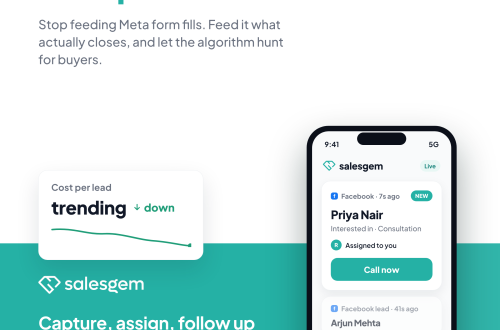
Track response time and outcome for every lead, then feed the conversions back to Meta so the algorithm learns who your real buyers are.
This is the gap salesgem was built to close. It captures your Facebook and Instagram lead ads through a webhook, pushes each lead to the assigned rep’s phone instantly, and keeps the WhatsApp follow-up in one place where you can actually see it. The lead reaches a named owner while it is still warm, and you get to call before your competitor does.
If you are spending on Meta ads and cannot say how fast your team follows up, start there. That answer is usually where your wasted ad spend is hiding. When you want to close the gap, you can sign up and try it on your own leads. No credit card needed · 14-day free trial · Free support and migration.
Frequently asked question
Most wasted ad spend after the click comes from slow or missing follow-up. The ad pays for the lead, then the lead sits unassigned, gets called hours late, or never gets a second attempt. The business blames lead quality, when the real loss happened inside its own response process rather than in the campaign.
Aim for minutes, not hours. A 2011 Harvard Business Review study found firms that contacted a web lead within an hour were nearly seven times more likely to qualify it than those who waited an hour longer. For paid Meta leads, where the same person often contacts several businesses at once, faster contact almost always wins the deal.
Often they were interested when they filled the form, then waited. By the time you call, they have already spoken to a competitor or forgotten they inquired. Before blaming lead quality, check how many hours passed between the click and your first call, and whether anyone bothered to call a second time.
Assign every lead to one named owner automatically, set a response-time rule the team follows, require a second and third contact attempt, and track how fast each rep responds. A lead follow up CRM for small business handles the assignment and tracking so leads never sit in a shared inbox going cold.
It can be both, but the process is the cheaper fix. If leads are arriving but not converting, follow one lead from click to first call and time it. If the delay is hours, or nobody owns the lead, look at your follow up before you touch the campaign.