I have spent more than ten years managing sales teams across clinics, coaching businesses, home services and a handful of agencies, and I talk to other sales leaders most weeks. In that time I have watched slow lead follow up drain more revenue than any bad month of ads ever did. The leads were rarely the problem. The gap between the enquiry landing and someone actually calling was the problem. Here is what that gap really costs, and how I built a proper lead follow up system for a small business to close it.
The lead I paid for and then lost
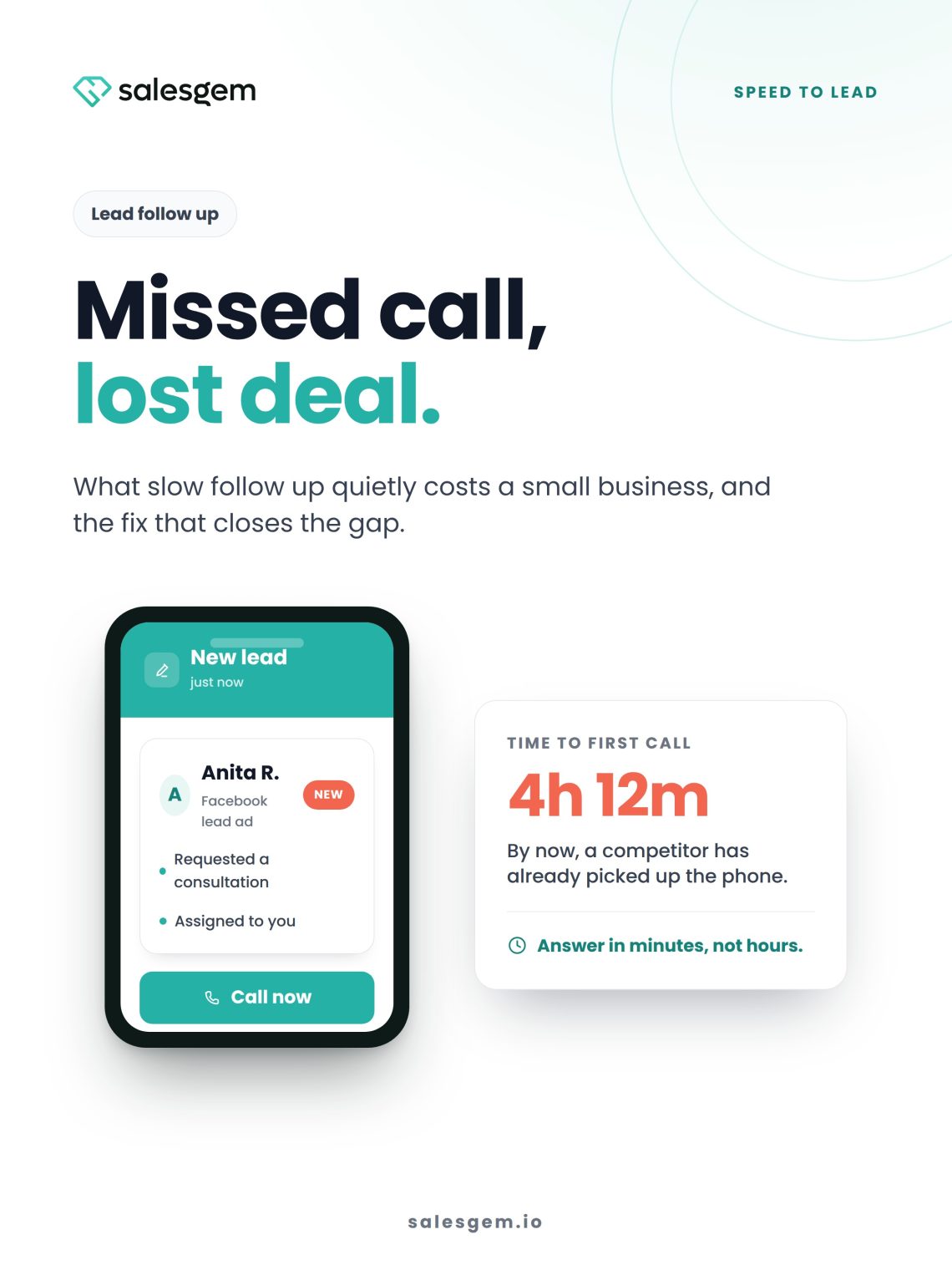
One enquiry still sits with me. It came through a Facebook ad for a service we were actively promoting, and on paper the lead looked strong. Nobody called straight away. Marketing dropped it into a spreadsheet, and the assigned rep did not open it until a few hours later.
When he finally rang, the prospect said, “I already spoke to another company.”
That call changed how I looked at follow up. The lead was not bad. I had simply waited long enough for someone else to answer first. I had paid for the click, captured the enquiry, then lost the whole thing during the handoff. A spreadsheet makes a poor system of record, which is why the rep’s phone should not be the CRM either.
The most frustrating part was the report. It showed a lost lead and nothing else. It never showed that the first call happened hours after the enquiry arrived. Once I started tracking time to first contact, the pattern was obvious. Slow follow up was costing us deals that marketing had already paid to generate.
The missed call that became a lost deal
Another lead came in while the team was buried. The rep called once, the prospect did not pick up, and the lead was marked “not reachable.” Nobody tried again.
Two days later I reviewed the list and rang the prospect myself. He answered on the first ring. He had been interested, he said, but he was at work when our rep called. By then he had already booked with another provider.
That taught me how expensive one missed call can become. The first call failing was only half the story. We had no process for what happened after it, so one unanswered ring quietly turned into a lost deal.
So I changed how we treated missed calls. A missed call was not a dead lead; it was a lead that needed another attempt, a WhatsApp message, or a scheduled callback. Small businesses do not always lose deals because the prospect went cold. Sometimes they lose them because nobody called back.
What slow lead follow up actually costs
Here is the maths I wish I had run years earlier, and you can do it on the back of a napkin.
Take your leads per month. Multiply by the gap in contact rate between fast and slow follow up. You reach far fewer people when you call hours later than minutes later. Multiply by your close rate on the people you do reach. Multiply by your average deal value. That figure is what slow lead follow up costs you every month.
An example, with round numbers to show the shape. Say a business gets 100 enquiries a month. Fast follow up reaches half of them; slow follow up reaches thirty. That is a gap of twenty prospects. At a one in four close rate, that is five sales lost every month, and sixty across a year, before you attach a single figure for deal value. Plug in your own average sale, and the yearly number usually quietens the room. Those figures are illustrative, but the curve is real, and your own version is often worse than you expect.
The research behind the napkin maths
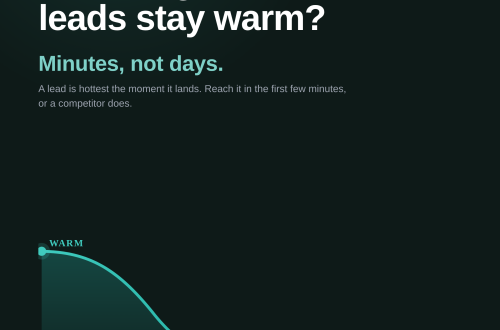
The napkin maths has real research under it. The 2007 MIT and InsideSales Lead Response Management study, led by Dr James Oldroyd, looked at more than 15,000 leads and over 100,000 call attempts. It found the odds of qualifying a lead drop about 21 times when you call at thirty minutes rather than five. The odds of even making contact drop around 100 times over the same window.
Four years later, a Harvard Business Review audit of 2,241 companies found the average business took 42 hours to respond to a web lead. Nearly a quarter never responded at all. If you want the full breakdown, I covered the five minute rule separately.
Read together, they explain the contact rate gap in the napkin maths. When slow lead follow up loses a deal, the prospect has rarely changed their mind. A competitor simply picked up the phone while your enquiry sat in a spreadsheet.
How the cost shows up across industries
The shape of the curve is the same everywhere. The price tag changes with the deal.
In aesthetic and healthcare clinics, the world I know best, patients often enquire with two or three clinics at once for an elective procedure. Whoever books the consultation first usually wins it, price aside. A busy front desk cannot watch Facebook and WhatsApp all day, so slow lead follow up hands the booking to the clinic that answered quicker.
In solar and home services, the buyer is collecting three or four quotes while the reps are out on site visits. The first company to call back often gets the job before the rest have opened the enquiry.
In education and coaching, enrolment periods create sudden spikes that swamp a small counselling team. A longer decision also means more chances for a lead to slip between people when nobody owns the next step.
The deal values differ. The leak is identical.
What I do differently now
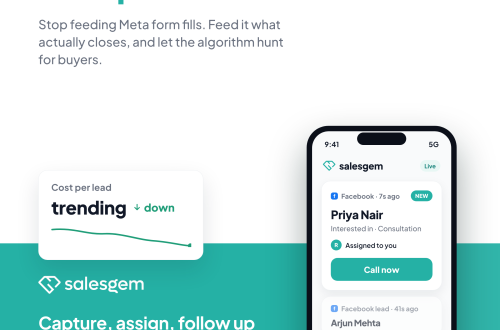
Here is the advice I give every team I work with. Treat the enquiry and the first call as one event. The moment a lead lands from Facebook, Instagram or WhatsApp, it should be on the assigned rep’s phone and waiting for a call, with the clock already running. That single change does more for revenue than most ad budgets.
Then build the second attempt into the process itself. A missed call books a callback. A no answer triggers a WhatsApp message. Nobody has to remember, because the system remembers for them. This is the whole reason a light lead management tool like Salesgem exists, and why it helps to capture Facebook Lead Ads the moment they arrive, route each one to the right rep, and keep nudging the follow up until someone connects.
Then come back to your own lead follow up numbers with fresh eyes. Slow lead follow up is the most expensive habit a small business can keep, and it is also among the easiest to fix. You already paid for the lead. Answer it before your competitor does.
If you want to see where your leads leak, sign up and watch the next enquiry land in real time. No credit card needed 14 day free trial. Free support and migration.
Frequently asked questions
Slow lead follow up costs a small business every deal a quicker competitor takes first. To estimate it, multiply your monthly leads by the drop in contact rate between fast and slow follow up, then by your close rate and your average deal value. Most owners are surprised by the yearly figure, because the loss hides inside a pipeline report that looks perfectly normal.
Aim to make first contact within five minutes of the enquiry arriving. Research on more than 15,000 leads found the odds of qualifying a lead fall sharply once you pass the first thirty minutes. Five minutes is not always realistic for a small team, so the working goal is simple: reply in minutes, never in hours.
Most lost leads are simply enquiries that waited too long for a first call, took one unanswered attempt, then dropped off the list. The money went on the click, but nothing pushed the lead to a rep quickly or prompted a second attempt after a missed call. The prospect was often willing, and the process just went quiet.
A missed call usually means the prospect was busy, so it is not a lost lead on its own. Without a second attempt, though, that one ring becomes a lost deal. Treat a missed call as a trigger: another call at a different time, a WhatsApp message, and a booked callback, so the lead never goes quiet by default.