The first B2C sales team I ran had no shortage of leads. Facebook and Instagram ads brought in enquiries every day, yet consultations stayed flat and the team kept missing target. It took me a while to see why. We were not short on leads. We were short on follow-up, and that is the real reason the best B2C CRM for small business matters far more than most owners expect.
I have spent years working with small-business sales teams across clinics, coaching institutes, and solar installers. The same story repeats almost everywhere. Owners pour money into ads, leads arrive in good numbers, then most of them quietly go cold. This post is what I wish someone had told me earlier about fixing that, and why the right B2C CRM changes the outcome.
Why B2B CRMs fail consumer sales teams
Most CRMs you find were built for B2B selling. They assume long deal cycles, named accounts, several decision makers, and months of nurturing. That world needs forecasting dashboards and layered deal stages.
B2C selling works nothing like that. A consumer fills a form on Instagram at 9pm because they want an answer now. There is one decision maker. The ticket is smaller. The deal is usually won or lost in the first few minutes, not the next quarter.
When you drop a consumer sales team into a B2B tool, the fields fight the workflow. Reps spend time logging “company” and “opportunity stage” for a person who just wanted a price. Setup drags on. The team avoids the CRM because it slows them down. If you want the full breakdown, I wrote separately about how B2C and B2B CRMs differ on speed.
The best B2C CRM for small business does the opposite. It treats the record as a person who enquired minutes ago, captures them from every channel, and pushes them straight to a rep who can call.
What broken follow-up actually looks like
Let me give you the two patterns I see most often, because they are probably happening in your business right now.
Leads arrive everywhere and belong to no one
On one team I managed, leads came through form emails, a shared spreadsheet, and the business WhatsApp number all at once. Nobody owned any single enquiry. Two reps would call the same lead. Three others would fall through the cracks. We had the volume. We did not have ownership.
Even with strong lead numbers, sales stayed low. The lesson landed hard. Generating more leads does not fix a broken follow-up process. It just gives you more leads to lose. What the team actually needed was a B2C CRM that captured every enquiry in one place, assigned it automatically to an available rep, and reminded that rep to follow up while the lead was still warm. I later covered the mechanics of Facebook leads going cold in more detail.
The research backs this up. A widely cited Harvard Business Review study on online sales leads found that contacting an enquiry within the first hour, rather than a day later, makes a real conversation far more likely.
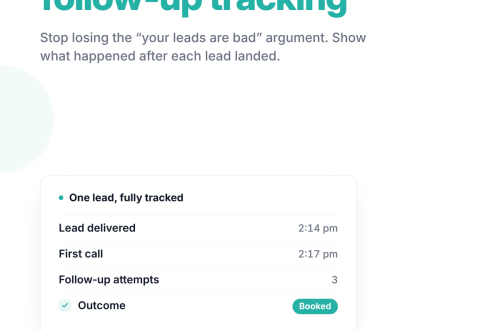
My advice from that period is simple. Choose a CRM that tracks response time, lead ownership, follow-up history, and conversions. Then review those numbers every week. Judging a team by lead volume alone hides the exact problem that is costing you sales.
The pipeline lives on a rep’s phone
The second pattern is quieter and more dangerous. After years of watching small teams, I kept finding the same thing. Salespeople store customer details in their personal phones, WhatsApp chats, and call logs.
It works until it does not. A rep gets busy and forgets a promising lead. Another rep leaves the business and takes half the pipeline with them. Duplicate calls annoy customers. Meanwhile the owner stares at the ad bill wondering why all that spend is not turning into sales. I made the full case for why the rep’s phone should not be the CRM if you want to go deeper.
Here is the lesson I give every owner now. A spreadsheet or a personal inbox cannot carry sales accountability as you grow. A CRM centralises every conversation, records each contact attempt, schedules follow-up reminders, and shows the manager the whole pipeline in one view. If you run Meta ads, connecting that conversion data back to Meta through the Conversions API (CAPI) closes the loop between what you spend and what you actually sell.
How this plays out across industries
The follow-up gap looks a little different in every vertical. A few examples from teams I have worked with.
Aesthetic and healthcare clinics live and die by the first callback. Someone enquiring about a procedure is usually messaging several clinics at once. The clinic that calls back first, and sounds organised doing it, tends to book the consultation. A late reply reads as a careless clinic.
Education and coaching run in admission rushes. Counsellors face a flood of enquiries in a short window, and hot leads slip the moment follow-up turns manual. Automatic assignment and reminders become the difference between a full batch and empty seats.
Solar installers deal with expensive, considered purchases, but the enquiry moment is still hot. Each lead costs real money to generate, so a lead that never gets called is money set on fire. Proving which leads converted back to ad spend matters more here than almost anywhere.
Different industries, same root cause. Speed and ownership decide the outcome.
What to look for in the best B2C CRM for small business
After all of this, my checklist is short and practical. Before you commit to any tool, confirm it does the following:
- Captures leads from Facebook, Instagram, and WhatsApp into one inbox
- Assigns each lead automatically to an available rep
- Sends follow-up reminders so no enquiry goes quiet
- Manages duplicates instead of letting reps double-call
- Works on mobile, because your reps sell from their phones
- Reports clearly on response time, ownership, and conversions
Start simple. Pick a system your team will actually use every day, get capture and assignment right first, then automate more as your lead volume grows. A tool nobody opens is worse than a spreadsheet somebody does.
Salesgem was built around this exact problem for small B2C teams. It captures Meta and WhatsApp leads the moment they arrive, routes them to a rep, and keeps follow-up honest. If that sounds like the gap on your sales floor, you can Sign Up and test it with your own leads. No credit card needed · 14-day free trial · Free support and migration.
Advice I would give my younger self
If I could go back to that first team, I would stop obsessing over lead count and start measuring speed. The businesses that win in consumer sales are rarely the ones with the most leads. They are the ones that answer first and never let a paying customer sit unanswered in someone’s WhatsApp. The best B2C CRM for small business is simply the one that makes that happen by default.
Frequently asked questions
The best B2C CRM for small business is the one your team uses consistently and that fixes slow follow-up. Look for automatic lead capture from Facebook, Instagram, and WhatsApp, instant assignment to a rep, follow-up reminders, duplicate handling, mobile access, and clear reporting on response time and conversions. The right fit depends on your channels and team size, not on feature count.
B2B CRMs assume long sales cycles, named accounts, and multiple decision makers. Consumer selling is high volume, single buyer, and won in the first few minutes. The extra fields and deal stages slow reps down, so teams stop using the tool. A B2C CRM keeps the workflow fast and built around quick follow-up instead of forecasting.
A B2C CRM captures each Facebook and Instagram lead the moment it is submitted, assigns it to an available rep, and triggers a reminder to follow up. That removes the delay of exporting spreadsheets or checking Meta Lead Center by hand, so your team can call while the lead is still interested rather than hours later.
A spreadsheet works for a handful of leads, but it cannot assign owners, remind reps, or stop duplicate calls. As volume grows, enquiries get forgotten and accountability disappears. A CRM centralises conversations, records every contact attempt, and gives the owner visibility into the whole pipeline, which a spreadsheet simply cannot do.
CAPI, the Meta Conversions API, sends your conversion data back to Meta so it can see which leads actually turned into customers. For small B2C teams running Facebook and Instagram ads, this closes the loop between ad spend and real sales, which helps campaigns optimise for buyers rather than for form fills alone.